Planetary Science
Mars, the Moon, outer planets and robotic exploration missions

AI Detector Flags Haley Stevens’ Endorsement Post as Mostly AI-Written
Pangram estimated that 90% of Haley Stevens’ post defending her Mike Rogers endorsement was AI-generated; Stevens had not responded.
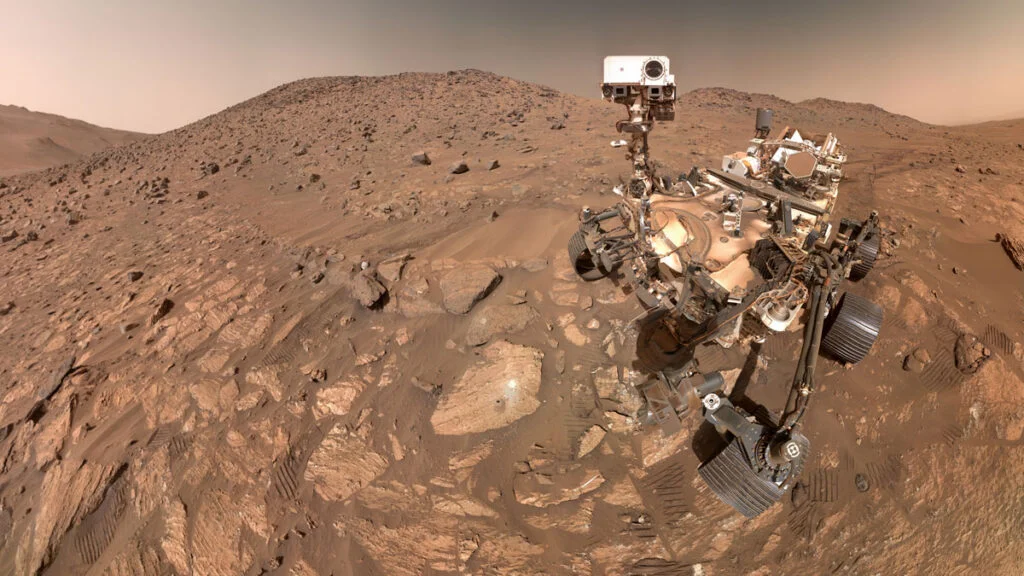
NASA’s Perseverance Rover Uses Autonomous Planning to Make More Time for Mars Science
Since October 2023, Perseverance’s onboard planner has adapted schedules to real conditions, reducing idle time and energy use while enabling more science.

NASA Sets Artemis III for 2027 as It Targets a Crewed Moon Landing in 2028
NASA outlines a faster Artemis schedule, with Artemis III planned for summer 2027 and a crewed lunar landing targeted for 2028 amid major engineering challenges.
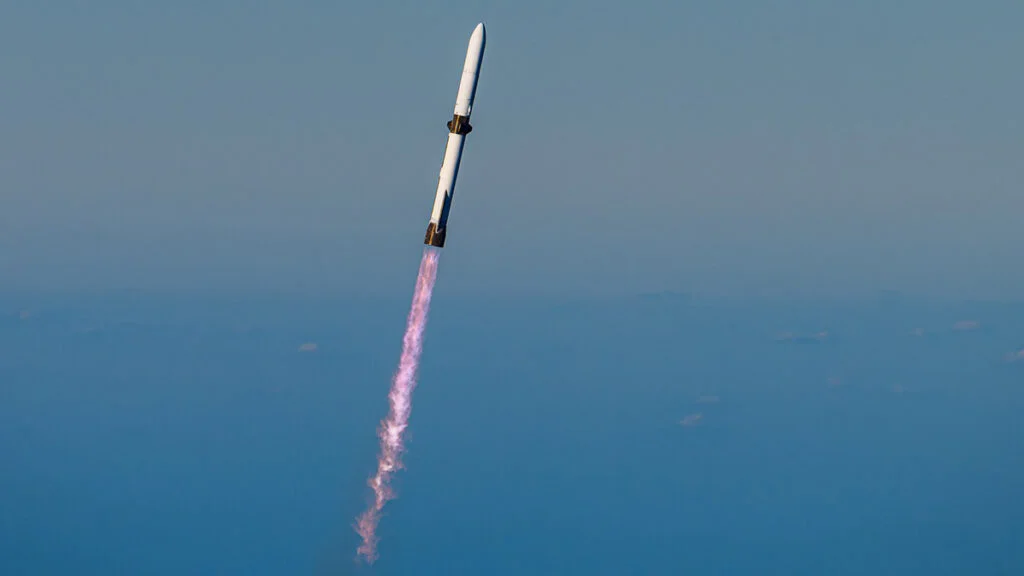
ESCAPADE’s Twin Spacecraft Prepare for Mars After Mapping Earth’s Magnetotail
NASA’s Blue and Gold probes head for Mars in November, carrying new magnetotail observations and a two-spacecraft plan to track atmospheric escape.
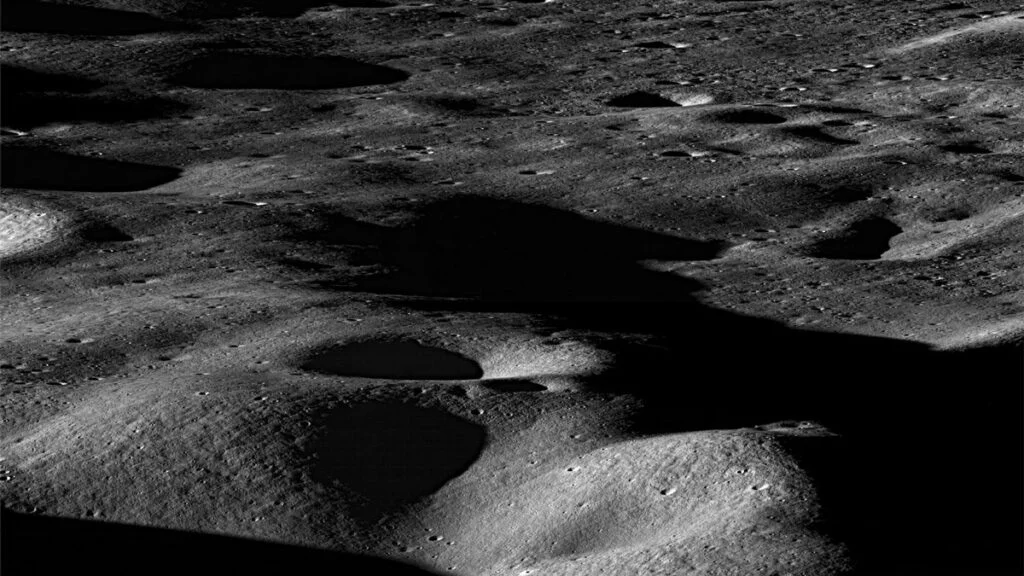
Moon Formation Simulations Suggest Theia May Have Produced a Proto-Moon Directly
A new impact model finds that Theia’s crust strength and temperature could determine whether the Moon formed directly or from a debris disk.
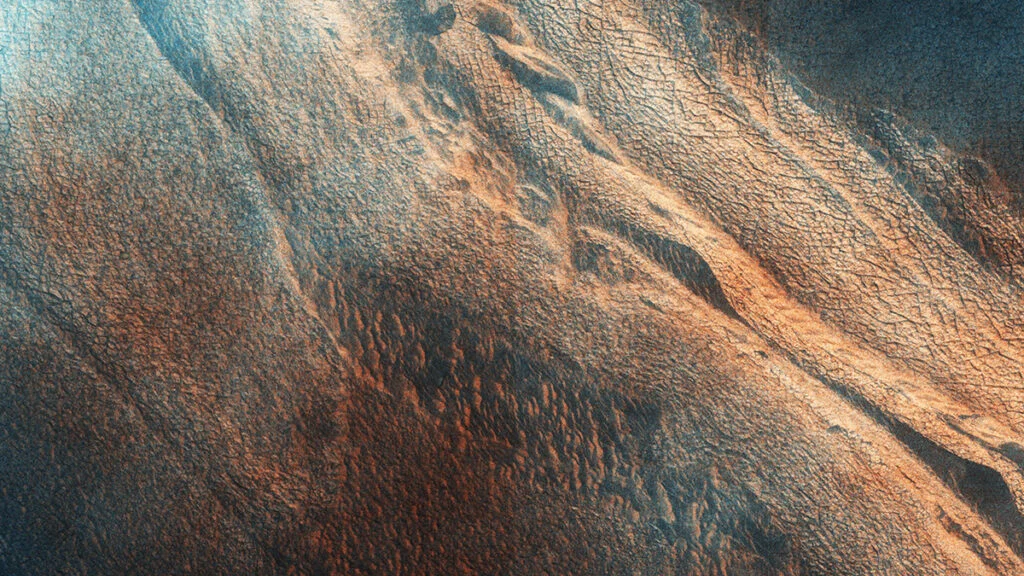
Early Mars May Have Received Uneven Rains of Life-Building Formaldehyde
A climate model maps where formaldehyde may have fallen on ancient Mars, highlighting highlands and wet regions as targets for future exploration.
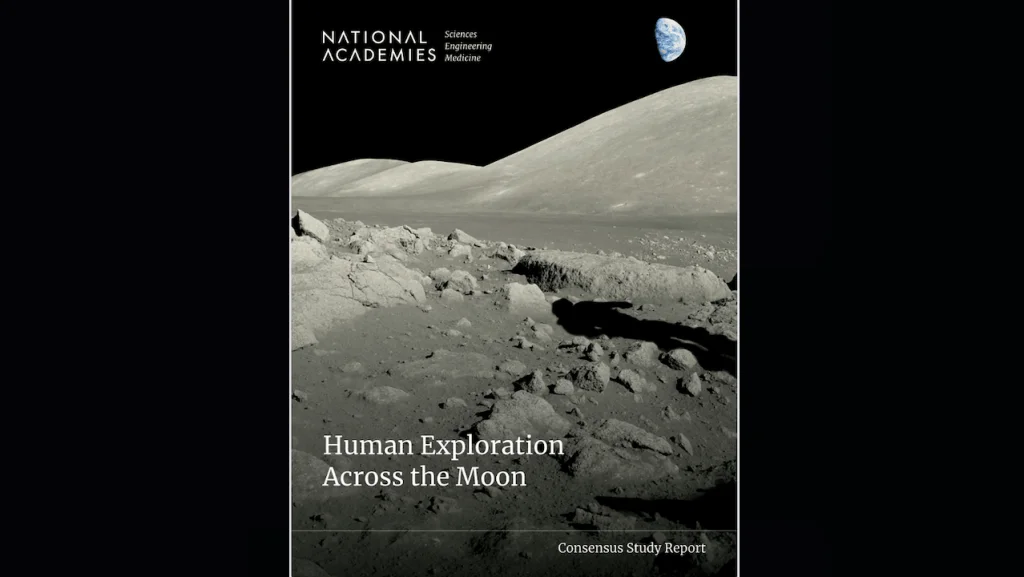
NASEM Recommends Four Lunar Sites for Future Crewed Exploration
A NASEM report identifies four nonpolar lunar destinations and calls for longer astronaut traverses, durable instruments and stronger mission support.
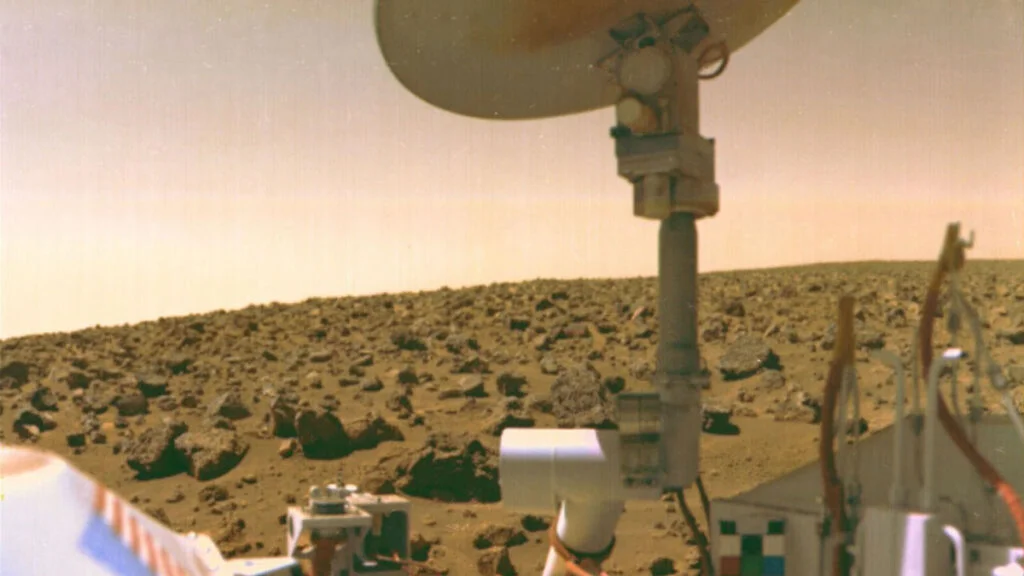
Viking 2 Marsquake Reassessment Points to Long-Lived Seismic Activity
A reanalysis of Viking 2 data suggests Mars may have quaked in a region where InSight later recorded nearly 1,000 seismic events.
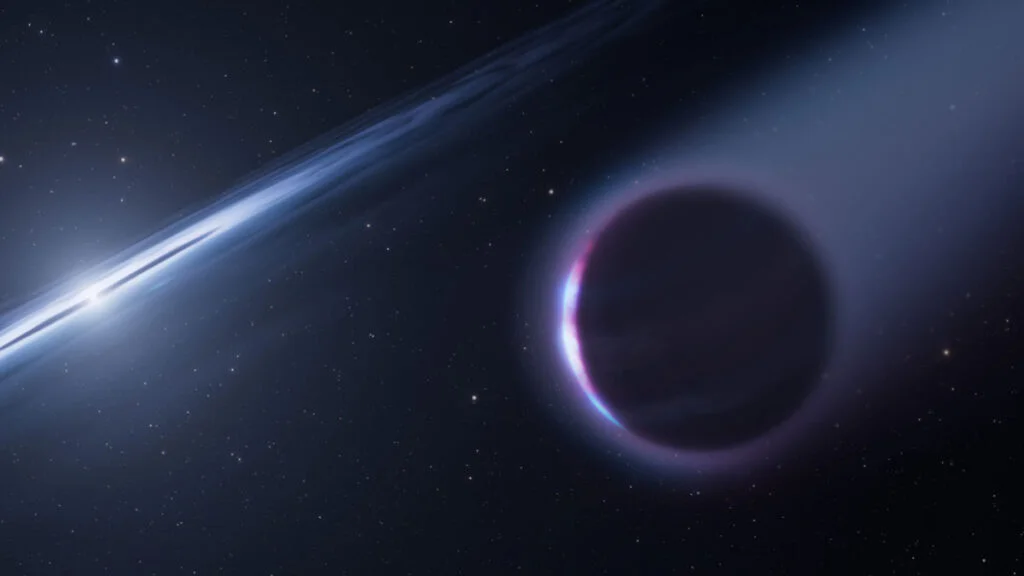
White Dwarf’s Unusual Chemistry Points to a Second-Generation Planet
A hot white dwarf may be absorbing the atmosphere of a planet formed from material its predecessor star shed before dying.
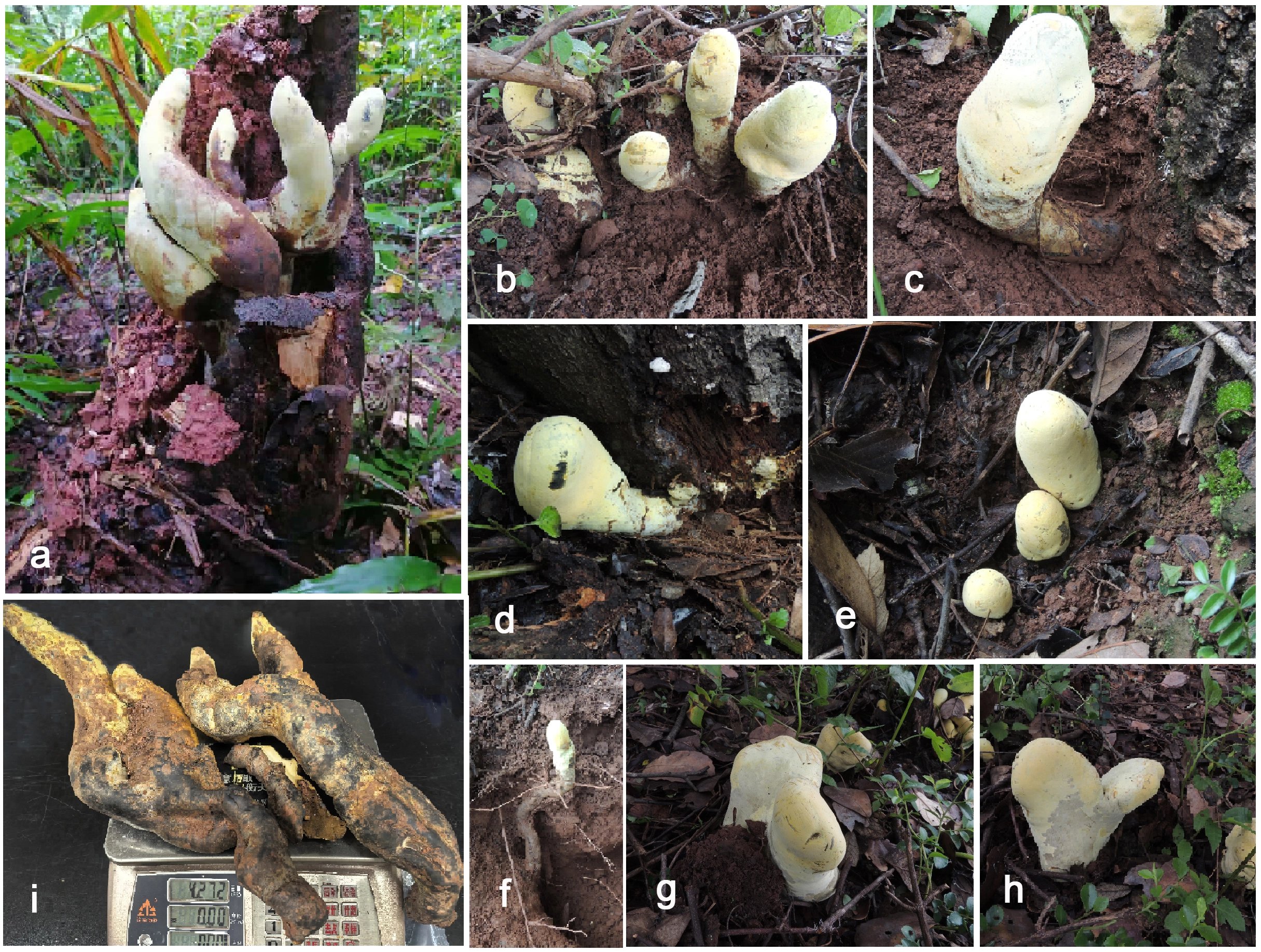
Scientists Identify Enormous New Fungus Species, Dianjunus rex, in Southern China
A remarkable new fungus species, Dianjunus rex, discovered in China, pushes the boundaries of fungal growth and highlights biodiversity challenges.
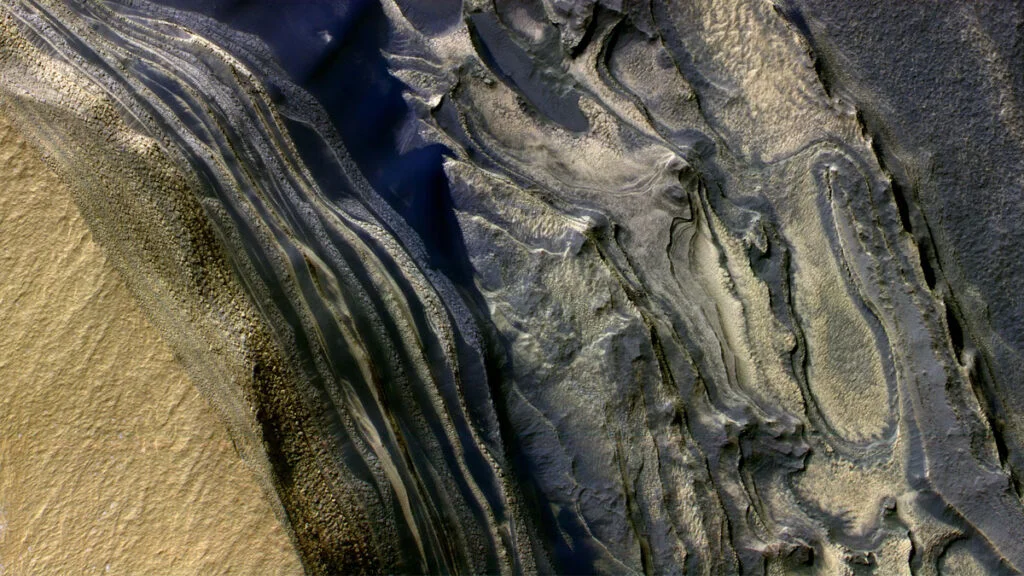
Unveiling Mars: The Risks and Rewards of Terraforming and Climate Exploration
Mars holds vital geological records and climate histories that could transform our understanding of the planet, but terraforming efforts may risk erasing them.
Exploring Cannibalism Among Early Tyrannosaurs: A Paleontological Perspective
Researchers uncover potential evidence of cannibalism among early tyrannosaurs, revealing insights into their complex feeding behaviors.

Discover Career Opportunities at EFSC's Respiratory Care Open House on November 5
Join Eastern Florida State College's Open House for its Respiratory Care Program on November 5, where you can explore career pathways and program details.
Ancient Mosasaurs Used 'Slam-Start' Tactics for Sneaky Prey Ambushes
Research reveals that giant mosasaurs employed stealthy ambush strategies, using powerful tail sweeps to catch prey off guard.
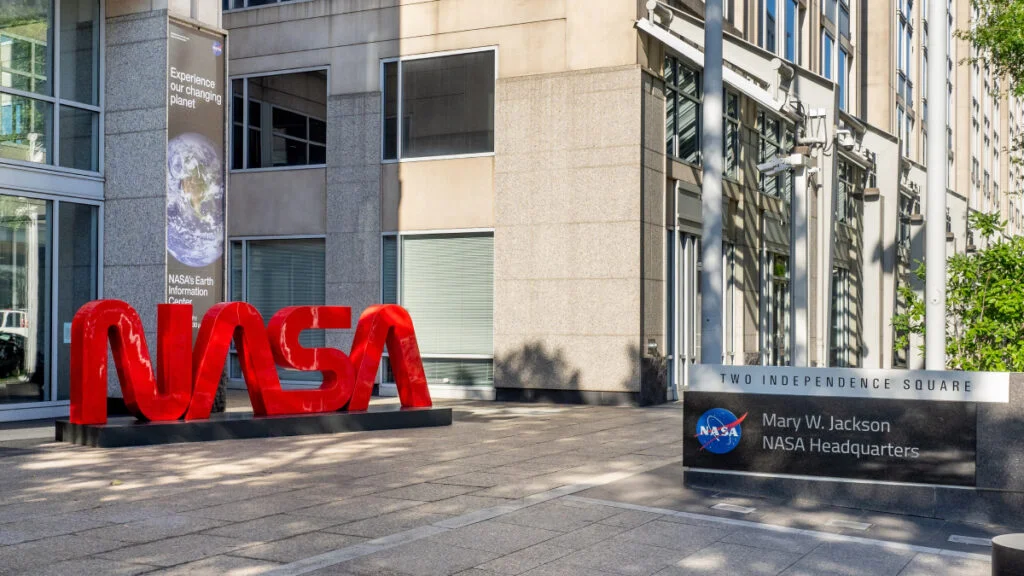
NASA's Funding Shortfall for Research: A 15-Year Trend of Declining Investment
NASA's funding for research and analysis programs has stagnated for 15 years, affecting its scientific capabilities and future leadership.
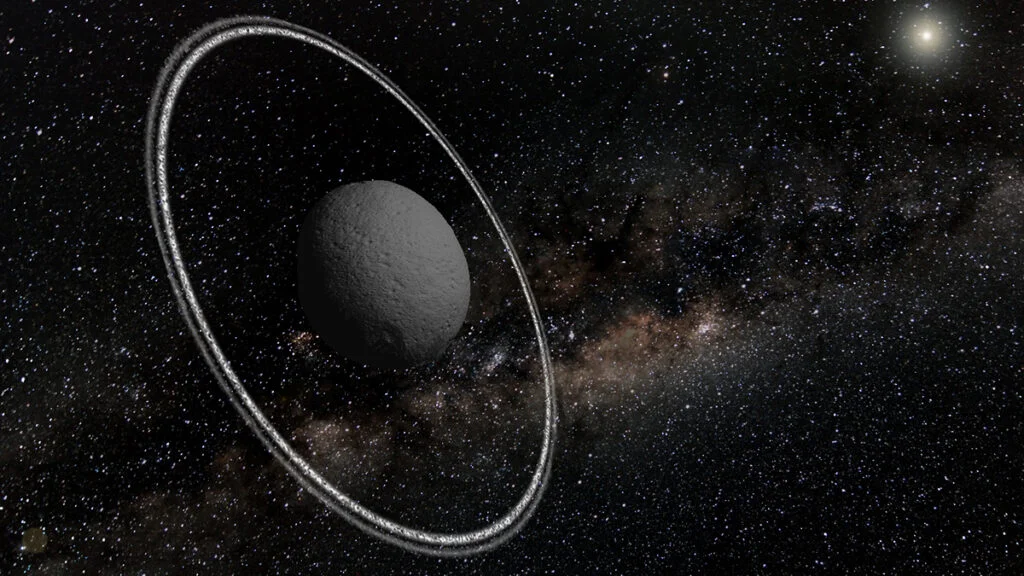
Chariklo's Rings Exhibit Surprising Changes as Astrophysicists Investigate
Recent observations reveal unexpected variations in Chariklo’s rings, prompting scientific inquiry into their evolving nature and potential drivers.

Decoding Gonzo: The Mupet's Mysterious Species Revealed
Gonzo's species remains a riddle, blending attributes of various animals while evoking broader questions about evolution and classification.
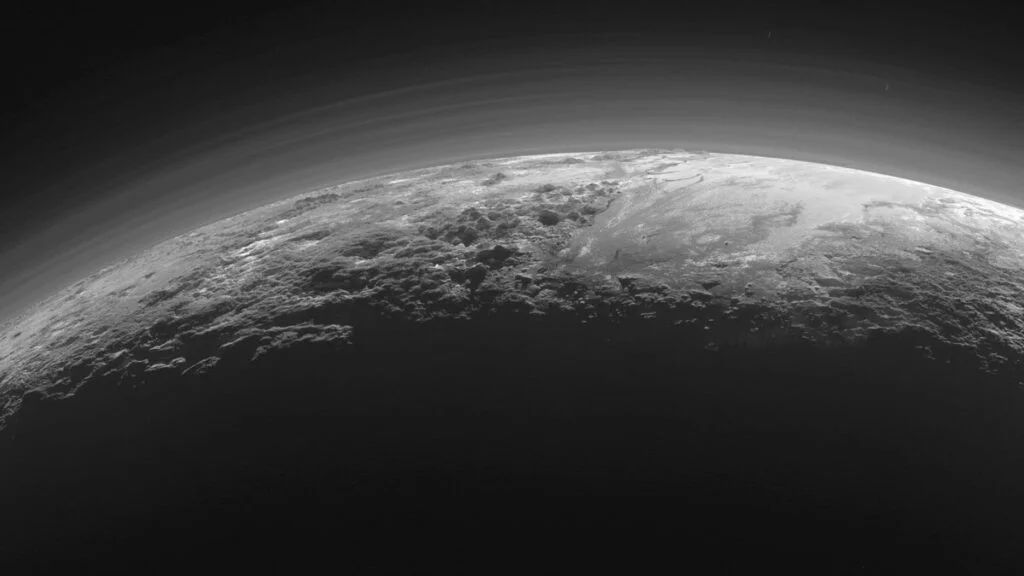
Pluto's Diminishing Atmosphere Signals Possible Transition
Recent studies indicate a significant drop in Pluto's atmospheric pressure, marking a potential onset of atmospheric collapse as it heads into winter.
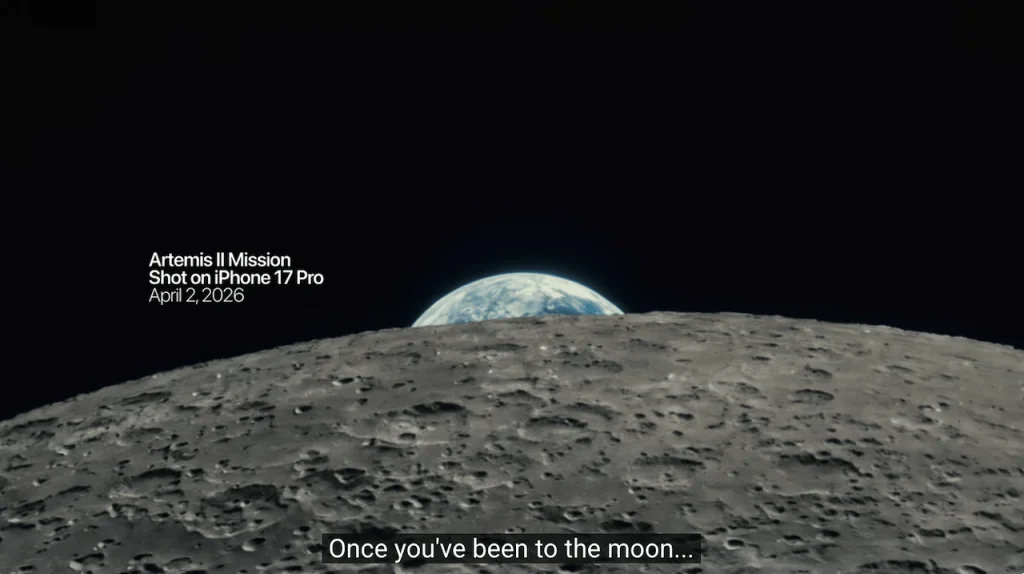
Apple's Artemis II Ad: A Missed NASA Connection
Apple's recent iPhone ad featuring Artemis II captures attention but overlooks a key opportunity to acknowledge NASA's role.
Stunning New Image of the Sun Reveals Details of Kelvin-Helmholtz Instabilities
The latest high-resolution image from the DKIST unveils solar phenomena and confirms Kelvin-Helmholtz instabilities, deepening our understanding of solar dynamics.