NASA outlines a faster Artemis schedule, with Artemis III planned for summer 2027 and a crewed lunar landing targeted for 2028 amid major engineering challenges.
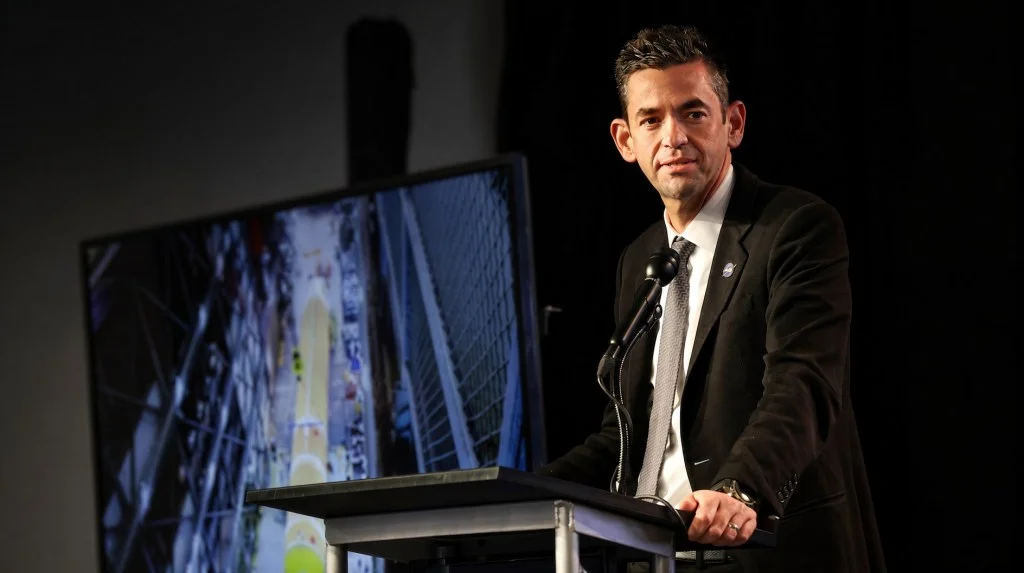
NASA is trying to compress its route back to the Moon while acknowledging that the hardest engineering work remains ahead. In prepared remarks at Kennedy Space Center on October 23, Administrator Jared Isaacman described a plan that puts an Artemis III launch in summer 2027 and aims to return astronauts to the lunar surface in 2028. The schedule is backed by a push to shorten hardware integration, preserve options for landing systems and put NASA engineers closer to work across the supply chain.
The ambition carries a pointed comparison with Apollo. Isaacman recalled that after Apollo 7 returned in October 1968, NASA had Saturn V rockets and lunar hardware moving through preparation for the missions that culminated in Apollo 11 nine months later. His argument was that NASA’s present-day capabilities should support similarly focused execution. But the comparison also sets a demanding standard: the agency now has decades of spaceflight experience and more advanced technology, yet its current lunar campaign faces tight timing and complicated systems integration.
A schedule built around Artemis III
NASA says Artemis III hardware is being assembled at Kennedy, where workers have cut the assembly and integration schedule in half, according to Isaacman. The next major steps include a year-end tanking test, followed by the planned summer 2027 launch. Associate Administrator and Chief Engineer Amit Kshatriya and Artemis Program leader Jeremy Parsons were expected to provide more detail on what is on track and what still needs work.
Isaacman described Artemis III as a mission to exercise key capabilities and bring together major vehicles and systems. The plan involves Orion, three of the world’s most powerful rockets, and two human landing systems now in development. The point is to test how those elements work together before the subsequent mission. NASA’s sequence depends on using these flights to reveal integration problems and build experience, rather than treating each launch as an isolated milestone.
The schedule is aggressive, and Isaacman acknowledged that dates alone cannot resolve technical constraints. NASA must still address propulsion and spacecraft integration issues to get Orion into low lunar orbit. The agency also needs to advance two different landing systems, which brings challenges involving launch campaigns, large-scale cryogenic propellant transfer and joining stages in orbit. Isaacman said years of decisions inside and outside NASA had cost time and resources, and stressed that schedule pressure cannot change the laws of physics.
Keeping more than one path open
For Artemis IV, NASA intends to retain options that give both lunar landing partners a chance to demonstrate readiness before astronauts attempt a landing in 2028. Isaacman said the agency would keep a viable route to the surface open until evidence and schedules require a decision. That approach gives the program room to respond to how the systems perform, while keeping the crewed landing target in view.
NASA also sees uncrewed Moon Base missions as part of the preparation for human landings. Isaacman singled out Blue Origin’s New Glenn rocket and Mark 1 landers, saying they share important elements with the transfer stages and crewed landers planned for later missions. These flights are intended to provide engineering data, reduce risk and build confidence. NASA expects a rover and the first elements of a longer-term human presence to be on the Moon before astronauts arrive.
That plan treats early infrastructure as both a destination and a test environment. Experience with the rockets, landers and supporting systems could inform later crewed operations. The wider aim is to move beyond brief visits and support longer surface stays, more frequent astronaut missions and, over time, a larger lunar presence. Isaacman framed that progression as a way to expand scientific work and develop capabilities for future missions to Mars.
NASA is changing how it works
Isaacman’s remarks put organizational changes alongside the hardware plan. He criticized programs that become too large and costly to manage, and argued that protecting supplier interests or outdated technologies should not dictate the architecture. NASA, he said, must reduce layers of process and deliberation when they delay engineering work, retain expertise in-house and avoid treating additional time and spending as automatic paths to safety or success.
He described the approach as a return to NASA’s own history rather than a new management formula. The agency plans to deploy staff from across its centers and the supply chain to address schedule problems directly. Isaacman said NASA personnel should work with vendors to solve issues at their source, while the agency rebuilds skills in designing, building, testing and flying hardware.
That emphasis on internal capability matters because Artemis brings together vehicles and systems developed by NASA and commercial partners. The agency’s role, in Isaacman’s account, is not limited to oversight: it must own difficult integration work and maintain the technical depth needed to evaluate the systems on which astronauts will depend. He said NASA would not reduce testing or qualification standards and would not launch until the hardware is ready.
Adapting the hardware to the mission
NASA’s plans remain subject to what the data show. Isaacman pointed to changes under consideration or in progress, including reducing the mass of lunar spacesuits, improving upper-stage performance so Orion can travel closer to the Moon, and modifying Orion to meet different lander requirements. Those adjustments reflect how tightly linked the systems are: a change in one vehicle can affect mission design and the demands placed on another.
The agency is also rebuilding its workforce and directing specialists toward the program’s critical path. Isaacman pointed to activity at Kennedy, including work in the Vehicle Assembly Building and machine shops operating close to around the clock, as signs of a more intense effort. He described the workforce response since NASA’s “Ignition” event earlier in the year as encouraging, while acknowledging that substantial work remains.
The 2028 target will depend on whether that faster pace can coexist with rigorous testing and the resolution of major technical problems. NASA’s case for the schedule rests on a combination of shorter integration timelines, direct support for suppliers, flexible mission planning and repeated opportunities to test hardware before a crewed landing. The practical measure of progress will be whether those steps produce flight-ready systems and credible evidence that they can operate together.
Isaacman closed by pointing to the engineers, welders, technicians, flight controllers and interns working across the program. His desired legacy is that arguments over vehicles, timing and cost become less important than what Artemis enables afterward. For now, the concrete test is whether NASA can turn its revised schedule and workforce push into a successful Artemis III flight, then carry the resulting data toward a crewed return to the lunar surface.



Discussion
Sign in to join the discussion.