Revisiting the origins of solar storm impacts, new research corrects the timeline of the first railway disruptions caused by space weather.
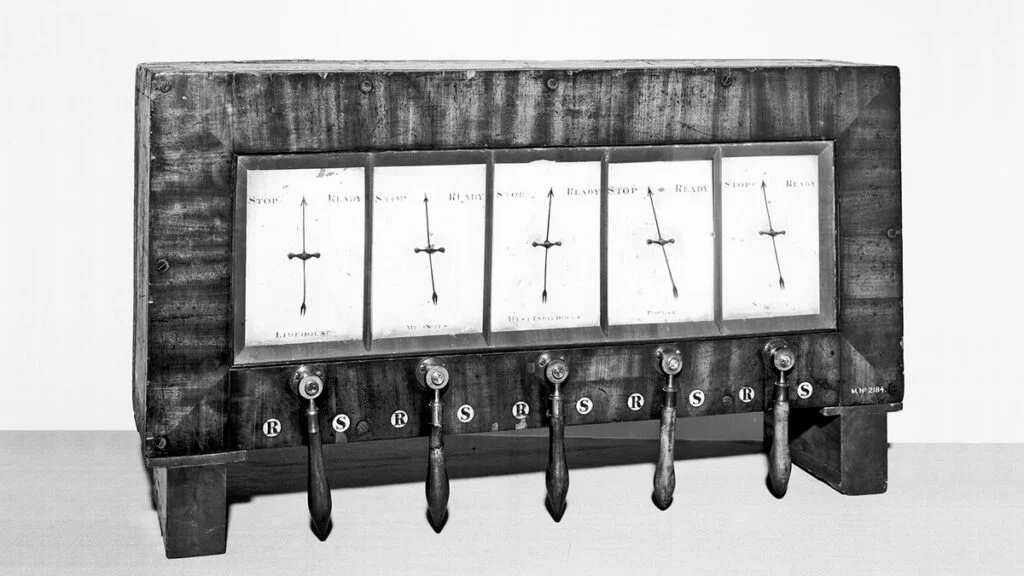
Solar storms have long been known to interfere with terrestrial technologies, with effects documented as far back as the telegraph and railroads. Most notably, the Carrington Event of September 1859 serves as an exemplary case of this phenomenon, showcasing the impact such events can have on technology. This historic solar storm resulted in widespread disruptions to telegraph operations, setting a precedent for recognizing the vulnerabilities of human infrastructure to cosmic occurrences. What’s fascinating is that despite cases like the Carrington Event capturing expert attention, the historical record of solar storms has often been intertwined with inaccuracies and dated assumptions.
Revisiting the Past
Recent research has called into question a widely referenced account of the earliest disruption attributed to solar activity. In a 19th-century report, Wild et al. examined an 1871 article published in Nature that claimed a solar storm caused a delay to a train service on October 18, 1841. Whether an issue of historical oversight or a product of the times, this misattribution has implications. Their investigation revealed that the South Devon Railway Company did not commence passenger services between Exeter and Newton Abbot until 1846—a full five years after the alleged incident. An evident discrepancy like this raises questions: How many historical accounts of technology impacted by solar storms lack the necessary scrutiny?
In the 1871 article, it was reported that telegraph lines were impacted by the solar storm, delaying a train's departure. But, inconsistencies abound. Historical records indicate that the specific train schedule in question wasn’t established until 1848. This incongruity highlights how quickly misinformation can spread, especially in academic settings where credibility is paramount. The issue isn't isolated to this one case; similar inaccuracies could exist across other documented events.
The Correct Timeline
What does this correction mean? Notably, it indicates that the first documented case of solar storm interference with human technology isn't the purported 1841 incident but rather an event affecting the telegraph system of the Midland Railway near Derby, England, on March 19, 1847. This is the part most people overlook. The significance expands beyond just the dates—it alters how we understand the reactions and adaptations to solar storms in that era. While telegraphs were revolutionary technologies, they were also fragile and susceptible to solar activity. This incident illustrates how early engineers may have confronted unforeseen challenges that modern societies often overlook.
Drawing lessons from these historical missteps emphasizes the need for meticulous documentation when tracing the lineage of technology disruptions caused by natural phenomena. Historical accuracy has broader implications for how researchers understand the effects of space weather. This revision can inform scientific inquiries aimed at better predicting and mitigating the impact of solar storms today. As space weather forecasting technology advances, maintaining a clear understanding of past events is vital.
Implications and Significance
The reevaluation of this historical account serves as a reminder of the fragility of our infrastructure against cosmic and environmental forces. Understanding when and how these disruptions occurred can ultimately lead to better risk assessment and preparedness strategies. For people working in resilient tech or infrastructure, what this means for you is clear: proactively consider the ways in which historical data informs present challenges. The consequences of solar activity extend into many current technological applications, from satellite communications to power grids. Thus, understanding previous interruptions can guide contemporary responses.
This historical revision shines a light on the significant relationship between solar cycles and communications disruptions. As we become increasingly reliant on technology, realizing where we might stumble due to outside influences is crucial. This kind of analysis raises deeper inquiries about the precursors to technology and how society can endure potential future disruptions. In essence, the need for rigorous examination of our history and its documentation cannot be overstated. Without such diligence, we risk repeating mistakes or failing to prepare adequately for future events.
As we forge into the future, seasoned journalists, historians, and scientists must collaborate to maintain an accurate record. The push for precise historical context isn’t just an academic exercise; it has real ramifications on how we build and fortify systems that will withstand the forces of nature. After all, the interplay between solar storms and human technology is an ongoing saga, with lessons still to be learned. One has to wonder: what other historical inaccuracies wait to be uncovered in this field?
—Matthew R. Francis (@BowlerHatScience.org), Science Writer



Discussion
Sign in to join the discussion.