Democrats’ Texas wins could complicate Musk’s data center plans and sharpen scrutiny of his political spending.
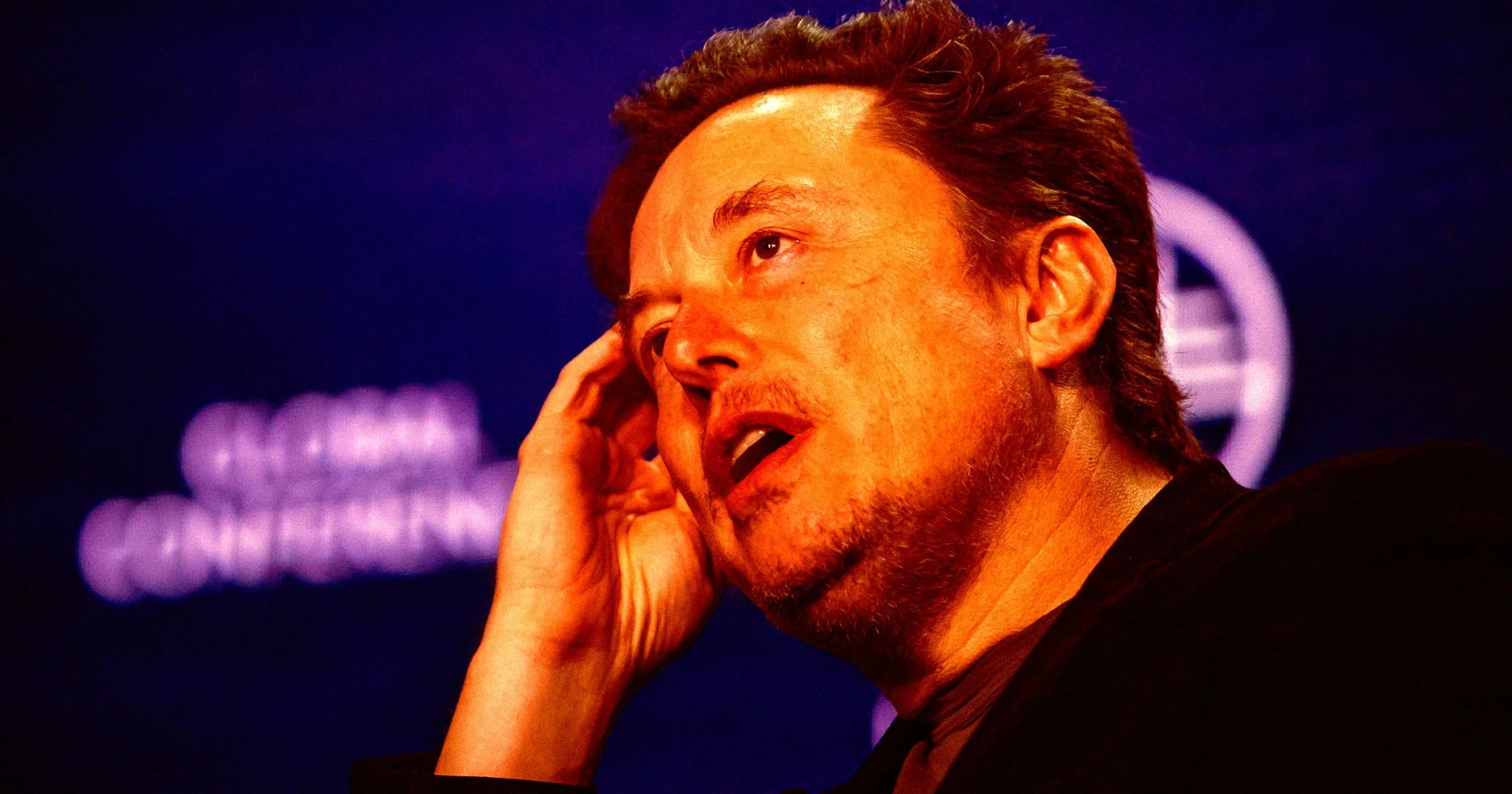
Elon Musk’s Texas strategy now faces a test on two fronts: a Democratic sweep that could slow data center development, and fresh criticism of the money he spent backing candidates. The results put pressure on a bet that followed his 2020 move from California and the relocation of Tesla and SpaceX headquarters to Texas. That bet was about more than moving offices. It brought major corporate operations and Musk’s public profile into a state whose political decisions can affect the places where his companies build and operate.
A Texas bet meets a new political reality
Musk left California after a public dispute over pandemic restrictions and accountability. At the time, he argued that the state had grown complacent and that Silicon Valley held too much influence. The move also drew scrutiny because Texas offered a different mix of taxes and rules. That contrast helped make Texas a practical choice for his companies, but it also tied their fortunes more closely to the state’s political climate.
That choice has since tied Musk’s companies more closely to Texas. South Texas hosts SpaceX’s Starbase rocket development campus, which has faced objections from local residents and federal regulators. Now, according to the source’s account of this week’s election, voters have chosen Democrat James Talarico for senator, Gina Hinojosa for governor and Nathan Johnson for attorney general. The results put people with different stated priorities in positions that could matter to businesses seeking land, infrastructure, tax treatment or public support. Elections don’t determine every permitting or construction decision, but they can change which questions officials are willing to press.
The article reports that Musk spent $474 million supporting Republican candidates nationwide. It also says Tesla shares fell when markets opened Wednesday, though it provides no figures for the decline. Its claim that shares of “Texas” also fell is unclear. That lack of detail limits what the market reaction can show: a reported drop, without a magnitude or further explanation, doesn’t establish how investors assessed the election or what they expect from Texas policy. Still, the juxtaposition is telling. A political campaign can become part of the business story when a company founder’s spending and corporate plans are so closely associated with the same public figure.
Data centers are the immediate concern
For Musk’s technology plans, the clearest near-term risk is opposition to data center construction. The results strengthened candidates who oppose development, and Hinojosa has called for a moratorium and an end to tax breaks for the industry, the source says. Those positions could complicate the expansion of the facilities that underpin Musk’s AI ambitions. A moratorium would directly challenge the pace of new construction, while a change to tax breaks could alter the terms on which companies weigh projects. The actual effect would depend on how those campaign positions are carried into government decisions.
Data centers are physical infrastructure, even when the services they support feel distant and digital. They require sites and power, and their construction can bring local concerns into conflict with companies’ plans for growth. Similar disputes often turn on who bears the costs and who receives the benefits. (And this is the part most people overlook: a company’s technology ambitions can be constrained by local debates over buildings and resources long before anyone argues about the software.)
Tech analyst Dan Ives, described as a Musk ally, warned in a note Wednesday morning that Democratic control of the Senate would create “some major hurdles for AI and tech legislation in the Beltway over the next two years.” The comment points to a broader uncertainty: the election may shape not just local construction decisions, but also the policy environment for the technology sector. It’s a warning about potential obstacles, rather than evidence that any particular law or project will change. Local control over development and national debates over technology policy operate at different levels, but companies can feel both at once.
Musk responded with two posts on X. After a long silence, he wrote that “Data centers in space [are] looking pretty appealing right now,” referring to SpaceX’s plans for orbital data centers. He followed with a joke: “Guess my election-interfering space lasers didn’t work this time.” The remarks mix a real strategic idea with a provocation, making it difficult to read them as a clear account of what SpaceX will do next. Orbital facilities may sound like an escape from terrestrial planning fights, but the post alone says nothing about their feasibility, timing or ability to replace facilities on the ground. A line on X isn’t a construction plan.
Political spending draws a sharper response
Talarico used his victory speech to criticize the role of wealthy donors, saying, “We must get big money out of our politics, so no billionaire or trillionaire can buy our elections.” That message gives Musk’s political spending a more prominent place in the debate around the result. His reported spending makes the criticism directly relevant to him, even as the quoted line frames it as a broader concern about the influence of very wealthy people. The election’s result doesn’t settle that argument, but it gives critics a visible moment to make it.
The numbers here are underwhelming as an explanation of political influence: the reported $474 million is striking, but the article doesn’t break down where the money went or what effect it had on individual contests. That leaves readers with a large total and a sharp criticism, but limited evidence about cause and effect. Spending can draw attention and shape a campaign’s resources; it can’t guarantee that voters will agree with the person funding it. In this case, the results have made that gap part of the story.
What the result could mean for Musk’s plans
Here’s the thing: Musk’s Texas move brought his companies, facilities and public influence into closer alignment with one state. The election puts that concentration under pressure. Whether the consequences reach his AI buildout will depend on how campaign promises translate into decisions on data centers and tax incentives. If you’re working in this space, the practical question is whether those positions become policy and how officials apply them to proposed projects.
This is more significant than it looks because the tension reaches beyond a single company. The source describes an election in which candidates opposed to data center development gained ground, while Musk has publicly linked data centers to his technology ambitions. That doesn’t show that his plans will stop or that Texas will reject future projects. It does show why a strategy built around one state can leave a company exposed to changes in that state’s priorities. And yet, campaign positions are only the starting point; implementation will determine how much they matter.
More on Musk: AI Billionaires Are Flooding Money Into Politics to Influence Elections, But It’s Backfiring


Discussion
Sign in to join the discussion.