Trump Media shares fell to $5.06, adding to pressure from declining Truth Social traffic, weak revenue and repeated corporate pivots.
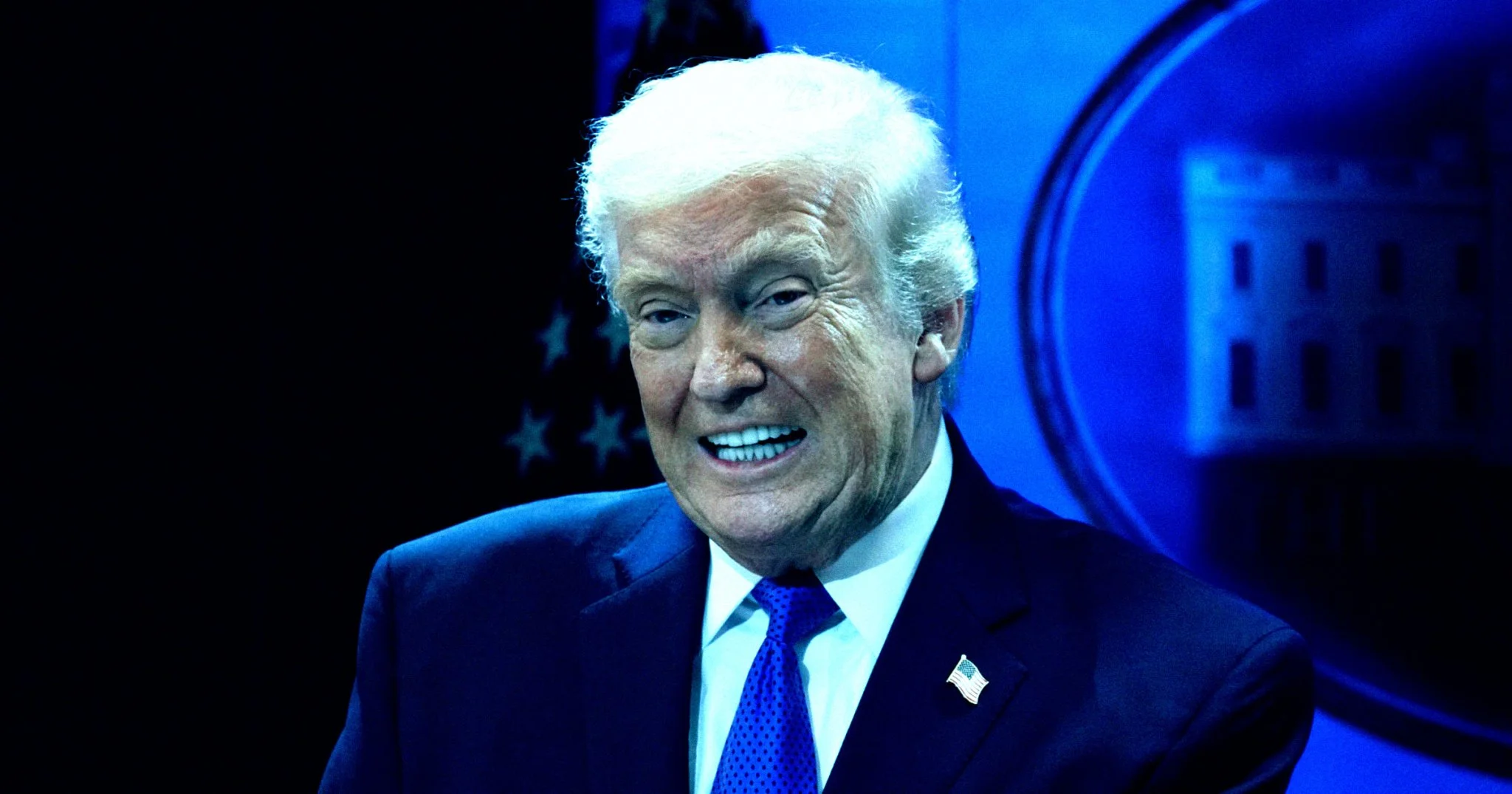
Trump Media & Technology Group’s latest record low puts a sharp price on doubts surrounding Truth Social. Its audience is shrinking, its losses are large, and its attempts to find new lines of business haven’t yet delivered visible results. The share price captures how investors are weighing those problems together: the company’s public profile is high, but the business figures cited here remain weak.
Shares fell to $5.23 on Wednesday morning, then set another low at $5.06 after this story was first published. That leaves the stock down 61 percent since the start of the year. The drop followed midterm losses for candidates backed by President Donald Trump, though the company’s challenges extend well beyond election results. A political setback can draw attention to a company tied closely to one figure, but it doesn’t by itself explain a sustained decline in traffic or the gap between revenue and losses.
For a company whose identity is bound up with Trump’s public presence, political developments can affect how investors interpret its prospects. That connection cuts both ways: attention may help keep the platform in public view, while setbacks can prompt fresh questions about how much its business depends on his influence. The share price alone can’t answer those questions. The operating figures offer a more direct test.
Expansion plans meet a struggling core business
Trump Media has pursued several directions beyond its social platform, including investments in Bitcoin, an effort to enter prediction markets and a merger with a nuclear fusion company last year. None has yet shown signs of meaningful results, while Truth Social’s core audience has weakened: recent analytics indicate daily traffic fell more than 30 percent over the past year. That combination leaves the company trying to build new sources of business while the product most closely associated with its name is losing activity.
Expanding into other areas can give a company more ways to earn revenue, but announcing a new direction isn’t the same as showing that it works. Each venture has to translate into activity or income that can be measured. The source figures don’t establish whether these efforts will do that, or when they might. For now, the practical question is whether they can change the financial picture enough to matter while Truth Social’s traffic is falling.
The financial picture is similarly strained. The company reported a $238 million loss in the second quarter, against revenue of less than $2 million. Those figures leave investors weighing a series of ambitious pivots against a business that continues to post steep losses and declining platform activity. Revenue at that level is small beside the reported loss, making it difficult to treat expansion plans as a solution until they produce clearer results.
This is more significant than it looks. A declining audience can weaken the case for a social platform as a standalone business, while large losses raise the stakes for any effort to diversify. The available figures don’t show what caused the loss or how much each venture contributes, so they can’t settle the question of which part of the business is responsible for the pressure. They do show why investors may want evidence of progress before assigning much value to plans that have yet to produce visible results.
And this is the part most people overlook: a company can attract sustained attention without converting that attention into a durable business. If you’re working in this space, the distinction between public visibility and active use is familiar. A platform needs people to return, and a business needs a way to turn that activity into revenue. The reported traffic decline makes the first challenge plain; the revenue figure points to the second.
Election fallout adds pressure
Trump spent Tuesday night criticizing Republican senators who lost in traditionally Republican areas and attacking Fox News. He also texted one of the network’s hosts and said he would become a “political pundit,” according to a post on Truth Social. Those actions put the platform in the middle of a news cycle driven by Trump’s political response, illustrating how closely the company’s public identity remains linked to his personal activity.
His backed candidates’ defeats were widely viewed as a rebuke to him, despite his not being on the ballot. That political setback may add to scrutiny of a company closely tied to his public profile, but it doesn’t address the underlying business questions: whether Truth Social can regain traffic, whether its newer ventures can produce results, and how long the company can sustain its losses. Political attention may change from week to week; the company’s ability to build a business has to be judged through its operating results.
There’s a limit to what can be inferred from the timing. The stock’s decline followed the election results, but the company’s problems include weaker traffic and a large reported loss. Those issues aren’t resolved by a favorable political moment, and a poor one doesn’t tell investors exactly what will happen next. The election adds context to the market reaction; it isn’t a substitute for the company’s financial and audience figures.
That said, the political connection still matters to how the company is perceived. Trump’s public statements can keep Truth Social in the news, but visibility and user activity aren’t interchangeable. A post can attract attention without showing that daily traffic is recovering, and a burst of interest wouldn’t by itself demonstrate that the company’s newer ventures are generating meaningful results. The distinction is central to judging whether the platform’s name recognition can support a broader business.
What the record low puts in focus
For now, Trump Media’s record low reflects a difficult combination of shrinking engagement and limited revenue. The next meaningful test is whether the company can turn its expansion plans into a stronger business while its main platform continues to lose ground. That test will take more than a list of new ventures: investors will need to see results that can be compared with the losses and traffic decline already reported.
The figures available here don’t establish whether Truth Social can reverse its drop in daily traffic, or whether the company’s other bets can earn enough to change its financial position. They do make the burden of proof clear. A recovery in the share price would not, by itself, answer those operating questions; nor would continued political attention. The company’s next steps matter most if they produce evidence of a more sustainable business.
Until then, the stock’s new low is a signal of doubt, not a verdict on what the company will become. The company has made a series of moves to broaden its ambitions, but its core platform is losing traffic and its reported losses remain steep. A turnaround would need to address both sides of that problem. For shareholders and users alike, the open question is whether those plans can deliver visible results before the core business weakens further.
More on Truth Social: Truth Social Stock Hits All-Time Low as Userbase Craters on Trump’s Twitter Clone
The post Truth Social Stock Crashes to All-Time Low After MAGA’s Massive Defeat appeared first on Futurism.


Discussion
Sign in to join the discussion.