A recent study reveals that Tyrannosaurus rex maintained a body temperature similar to modern warm-blooded animals, reshaping our understanding of dinosaur physiology.
A New Perspective on Dinosaur Physiology
The traditional view of dinosaurs as sluggish and cold-blooded is being rewritten, particularly regarding the iconic Tyrannosaurus rex. Recent research confirms that this apex predator had a body temperature comparable to today’s warm-blooded creatures, challenging long-held assumptions about dinosaur metabolism and behavior. The implications of this shift in understanding are profound, extending beyond mere temperature readings to touch on how we view these creatures in their ecosystems.
The Study's Foundation and Findings
Published in the journal Science Advances, the study provides compelling evidence that T. rex maintained an internal temperature around 97 degrees Fahrenheit, a finding that aligns it more closely with mammals rather than modern reptiles. This research contributes to a growing body of evidence that suggests warm-blooded characteristics in a range of dinosaur species. Co-author Robert Eagle from UCLA emphasizes the significance of this study, stating, “No one’s been able to make a temperature measurement like this before.” His comment highlights how revolutionary these findings are in reshaping our understanding of dinosaur physiology.
This temperature reading positions T. rex warmer than contemporary cold-blooded reptiles and sloths, yet notably cooler than its avian relatives, which can reach body temperatures between 104 and 109 degrees Fahrenheit. This distinction raises interesting questions about the evolutionary pressures that may have led to this divergence in thermal regulation among species within the same broader family tree. While this study offers substantial chemical validation, it also builds upon previous research suggesting that dinosaurs displayed metabolic rates previously attributed only to mammals and birds.
Methodological Advances in Paleontology
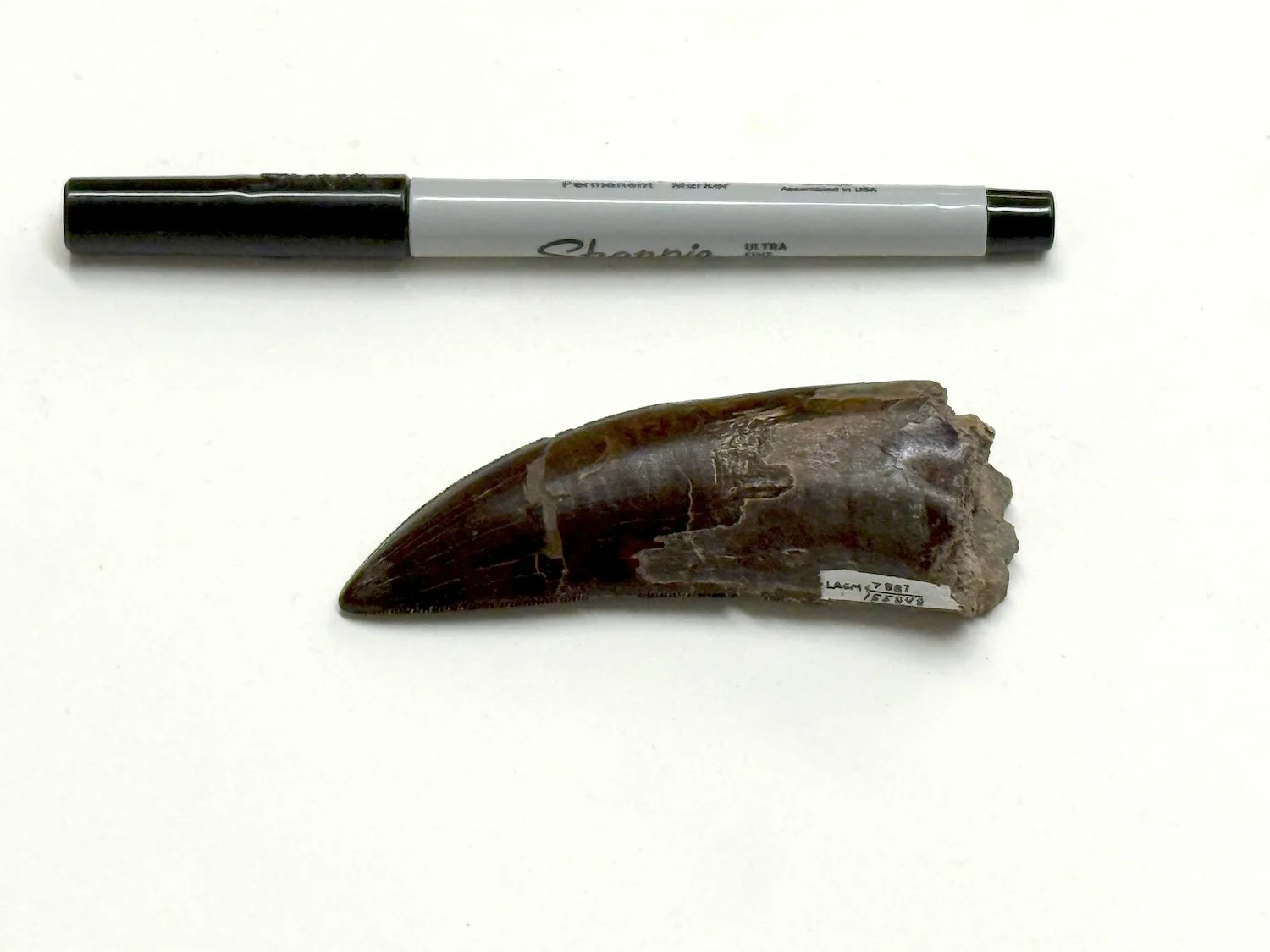
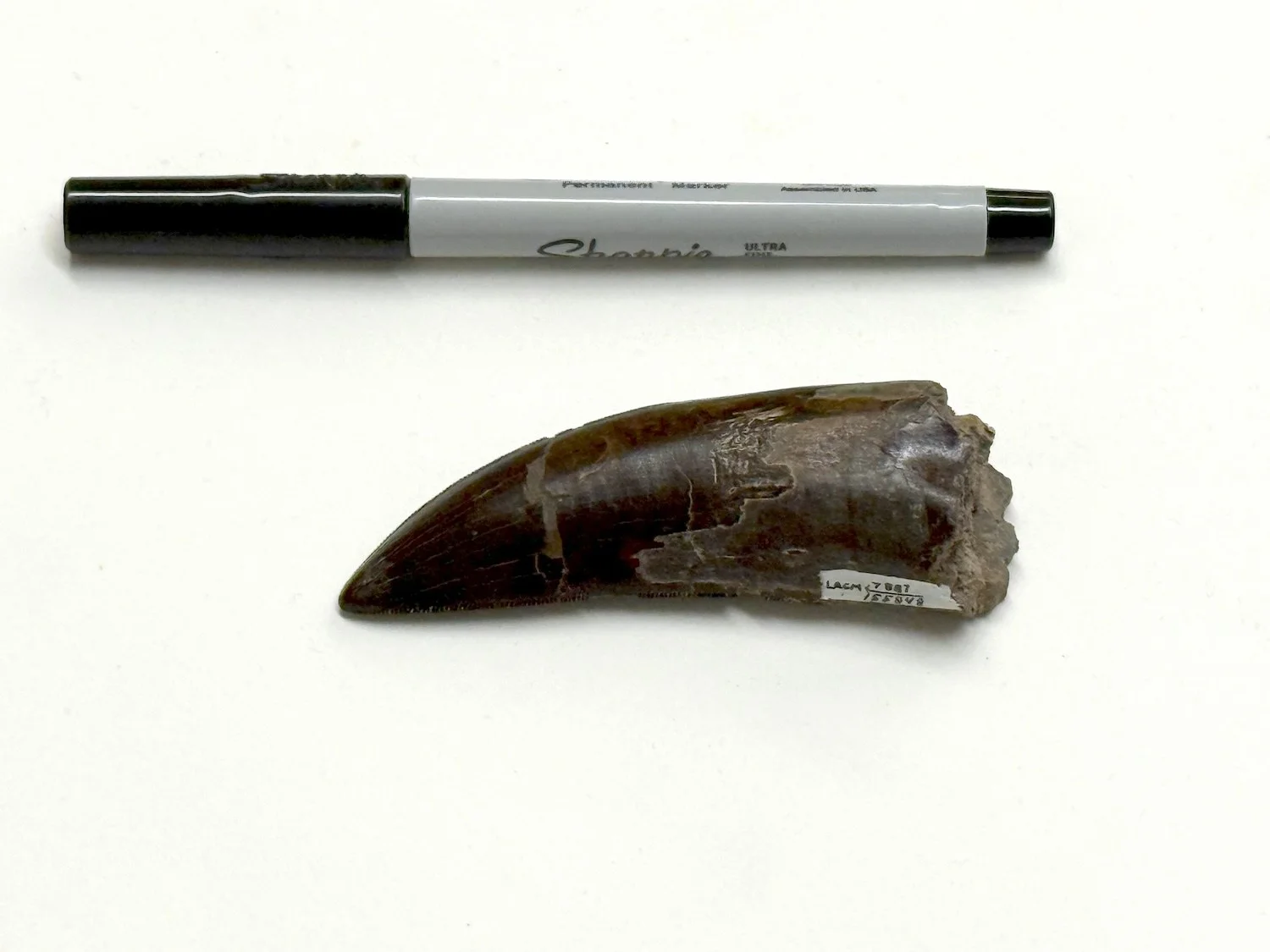
The study utilizes an advanced technique developed over the past decade that detects blood temperature in extinct species through carbon-oxygen bonds found in fossilized bone. Eagle explains that tooth enamel, due to its robust crystalline structure, serves as an ideal medium for these historical temperature assessments; it has proven effective in previous studies of other species, like Otodus megalodon and various other prehistoric animals. This innovative methodology marks a departure from previous approaches, which often relied on significantly larger fossil samples and were fraught with risks of damaging invaluable specimens.
Previously, extracting such data required a significant fossil sample, making it challenging to conduct similar analyses on T. rex teeth. The advancements in the methodology have now reduced the necessary sample size significantly, prompting curators at the Los Angeles Natural History Museum to share segments from their renowned Thomas the T. rex display. This shift not only enhances research capabilities but also underscores a broader trend in the sciences where technological advancement is enabling more detailed studies while minimizing damage to precious artifacts.
In this refined approach, researchers used a dental drill to acquire a small sample of fossilized enamel, which was then dissolved in phosphoric acid to release the gas filled with isotopic bonds. Mass spectrometry was employed to analyze the resulting carbon dioxide, a critical step that led to concluding the dinosaur's body temperature. This intricate process illustrates the sophistication of modern paleontological techniques and their potential to reshape our understanding of ancient life.
Ecological Implications of a Warm-Blooded T. rex
A warm-blooded T. rex presents an anatomical characteristic fitting its active predatory lifestyle and high metabolism. Such adaptations not only support the dinosaur's hunting activities but also shed light on how it thrived across diverse environments, even in regions experiencing vast temperature fluctuations. Paleontologists have uncovered T. rex fossils in locations like modern-day Alaska, an area where cold-blooded reptiles wouldn’t have thrived due to the climate.
Co-author Aradhna Tripati points out, “The teeth tell us T. rex was warmer than the environment around it. A warm-blooded T. rex could go almost anywhere on the continent, including the Arctic.” This assertion underlines the adaptive advantages that a higher body temperature might confer, suggesting that T. rex, like modern birds, could inhabit a variety of ecological niches. Thus, shifting our perspective on dinosaur metabolism invites more significant inquiries into their ecology and behavior than traditional interpretations allowed.
Future Implications and Significance
The path to this discovery may have been lengthy, but it underscores the impact of methodological innovations that allow scientists to glean insights from increasingly smaller fossil samples. This shift not only alters our understanding of T. rex but raises questions about the metabolic rates of other dinosaurs. Will future studies reveal similar characteristics in other large species?
This research encapsulates a significant leap in our understanding of dinosaur physiology, demonstrating just how different these ancient creatures were from our previous perceptions. If you're working in this space, or simply a dinosaur enthusiast, you'll realize that continuing to challenge established narratives is key to deepening our understanding of these magnificent animals. The discoveries yielded from this research could very well open the door to new questions about dinosaur evolution, behavior, and the dynamics of prehistoric ecosystems.



Discussion
Sign in to join the discussion.