New research shows plesiosaurs, ancient marine reptiles, regurgitated indigestible shells and prey remnants, mirroring owl-like behavior.
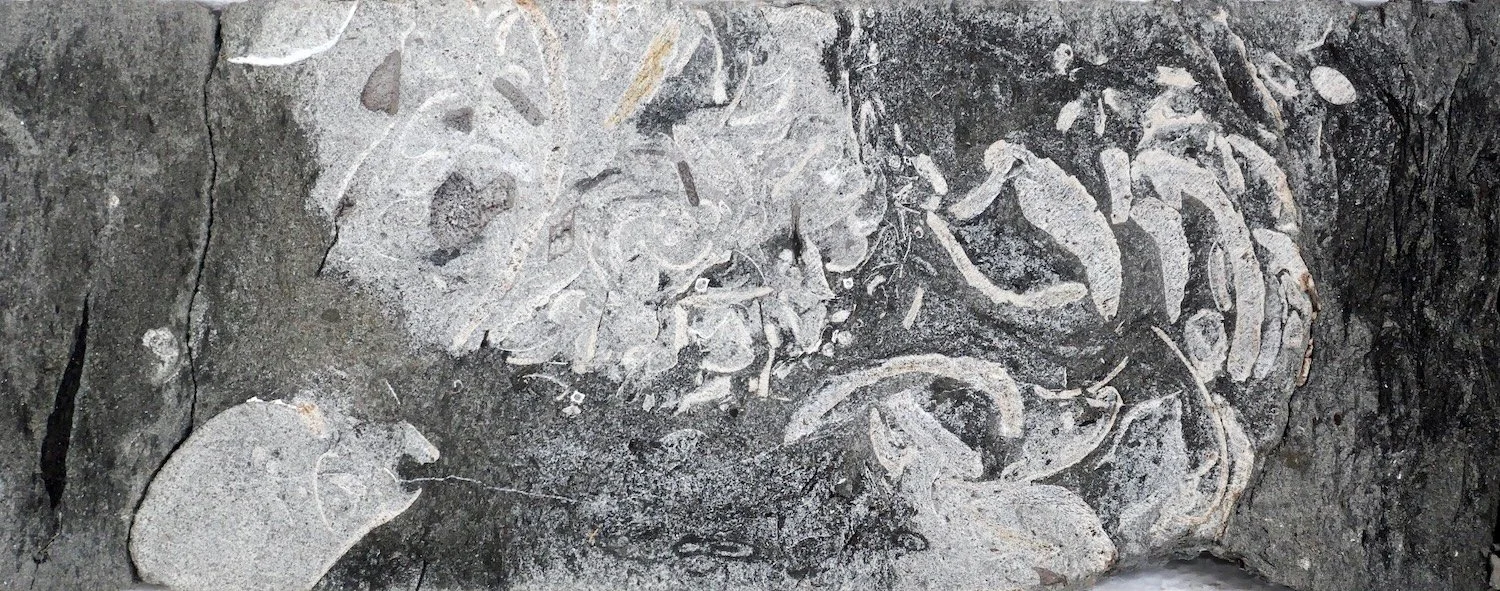
Plesiosaurs, the long-necked marine reptiles of the Jurassic Period, exhibited a behavior more commonly associated with modern birds of prey: they regurgitated indigestible materials. Recent findings published in Geological Magazine provide compelling evidence of this behavior, supported by fossilized remnants resembling owl pellets. These discoveries challenge long-held assumptions about the feeding habits of these ancient creatures, offering new insights into their ecological roles.
Similarities to Modern Predators
Owls are well-known for expelling pellets composed of fur and bones from their prey, but various other species also engage in similar digestive practices. For instance, marine crocodiles and fur seals must make landfall before they can purge their leftovers, a fact that underscores the unique feeding adaptations of ocean-dwelling animals. In this context, the similarities between plesiosaur behavior and that of modern predators raise intriguing questions about the evolutionary pressures that shaped their survival strategies. The ability to efficiently dispose of unpalatable materials likely provided both food source optimization and reduced predation risk during foraging.
Plesiosaur Characteristics
Now, paleontologists propose that some of the most adept ocean predators from history, like plesiosaurs, undertook a similar journey to rid themselves of indigestible shell fragments post-meal. These reptiles thrived in oceans for over 140 million years, spanning from the Middle Jurassic to the Early Cretaceous periods. With lengths ranging from 6.5 to 43 feet, they possessed both long necks and streamlined bodies, enabling them to capture ancient fish, cephalopods, and even shellfish from the ocean floor. This adaptability likely positioned plesiosaurs at the top of the marine food chain, allowing them to exploit a variety of ecological niches.
Fossils and Their Historical Significance
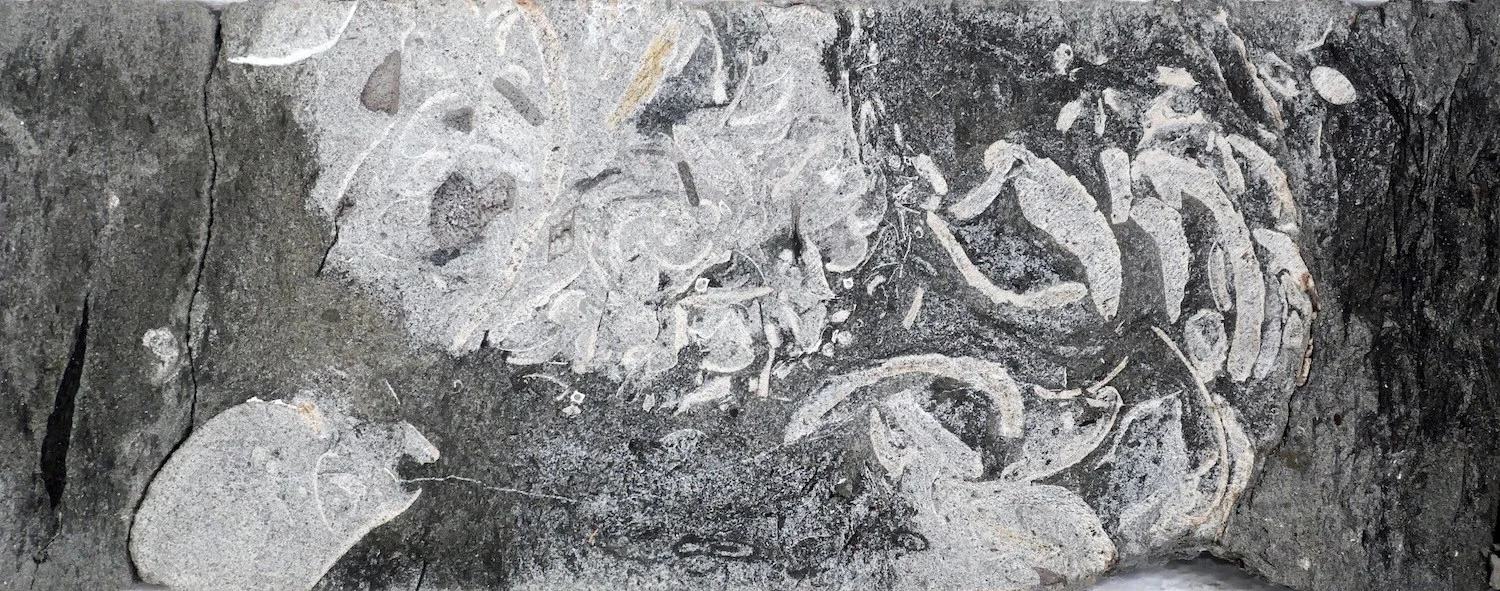
Despite their extinction around 100 million years ago, traces of these creatures still linger in the form of preserved fecal matter and vomit known as coprolites and regurgitalites. Paleontologist Dirk Knaust has extensively studied fossils found in deep-sea drill sites, but recent samples from the North Sea offered an unexpected insight into plesiosaur behavior. This find is significant not just for understanding plesiosaur feeding habits but also for broader discussions about the marine ecosystem during the time they roamed.
Knaust has been researching fossilized vomit for a decade, primarily focusing on vertebrate interactions. However, he gathered over 20 regurgitalites—some about the size of a mango—from the North Sea, only to discover they lacked the bones typical of vertebrate remains. Instead, analyses revealed the presence of various shellfish fragments, prompting him to compare these findings with similar samples across Europe and North America. The variations in fossilized remains add depth to the discussion of how these marine reptiles lived and interacted with their environment.
Unexpected Findings
Interestingly, the artifacts he discovered were not native to the salty waters of the region they were found in. Although retrieved from an area recognized as a Jurassic river delta, the animal remains pointed to species that thrived in open ocean conditions. A fossilized bone, alongside coprolites near the regurgitalites, led Knaust to conclude that the remains likely originated from large, ichthyosaur-like marine reptiles. This aspect raises questions about the mobility and feeding range of plesiosaurs compared to their contemporaries, suggesting they may have ventured beyond familiar territories in search of prey.
Yet, identifying the specific source was complex. Knaust's investigation of the characteristics of the fossils led him to suspect that the indigestible remnants came not from ichthyosaurs but potentially from ancient crocodiles. Their dietary habits of consuming primarily fish indicated that the vomit-shaped evidence must belong to a predator that could consume shellfish, ultimately leading him back to plesiosaurs as the probable culprits. It's a fascinating loop of deduction that highlights the intricate web of ancient marine life.
Feeding Behavior Implications
The findings suggest that plesiosaurs likely navigated closer to shore after hunting, using shallow waters as relaxation areas. It was in these shallower environments that they expelled shells and invertebrate parts they could not digest, differing from contemporaneous marine species that returned to land for similar purposes. Given their size and anatomy, plesiosaurs would have remained submerged while ridding themselves of their uneaten meals. This behavioral nuance could influence how we understand their ecological strategies and interactions with other marine species.
Future Research Potential
Knaust emphasizes the potential for further research, stating, "This is still just the beginning. There’s so much more we can learn from picking through what extinct animals threw up after dinner." Such sentiments underscore the wealth of information that can still be unearthed about these ancient creatures. If you're working in this space, consider this a reminder of the potential of paleontological research to uncover not just biological facts, but ecological dynamics as well.
The Bigger Picture
This investigation into plesiosaur behavior speaks to broader themes in evolutionary biology. The ability to adapt and fine-tune dietary practices likely played a pivotal role in determining the success or failure of species over time. As we piece together these stories from the past, each new discovery paves the way for a richer understanding of marine ecosystems that existed millions of years ago. Observing how ancient animals managed their diets offers a fascinating perspective on survival strategies that may parallel modern challenges in conservation and biodiversity.


Discussion
Sign in to join the discussion.