AI firms are courting stars as Hollywood jobs shrink, giving celebrities a lucrative route into an industry flush with cash.
The pitch behind celebrity AI deals
AI companies have a persuasive pitch for celebrities: money, access to influential executives and a chance to stay visible as Hollywood work becomes harder to find. That combination helps explain why stars keep lending their names to AI products, even when the public response is hostile. A celebrity partnership can give an unfamiliar product a recognizable face, while giving the celebrity a paid opportunity and a connection to people shaping the technology.
Those incentives don't mean every celebrity endorsement reflects deep confidence in a product. A campaign may be a business decision, a bid to remain part of a public conversation, or some mix of the two. The distinction matters because a famous name can make an AI tool seem more culturally accepted than it is, even when the star's role says little about how the system works or what it means for creative workers.
A deliberate courtship
OpenAI has brought in Charles Porch to build relationships with entertainment figures. Hired by CEO Sam Altman in 2025, Porch spent 15 years at Instagram persuading prominent people to use the platform. He describes himself as a “relationships person” who brings people along on new technology, rather than a business development or brand executive.
That description points to a particular kind of work: persuading people to take part before a technology has become ordinary. In entertainment, a celebrity's participation can carry more weight than a conventional advertisement because audiences already know the person and may associate them with taste, talent or expertise. But a relationship built around access still has to contend with what the technology does and how the public sees it.
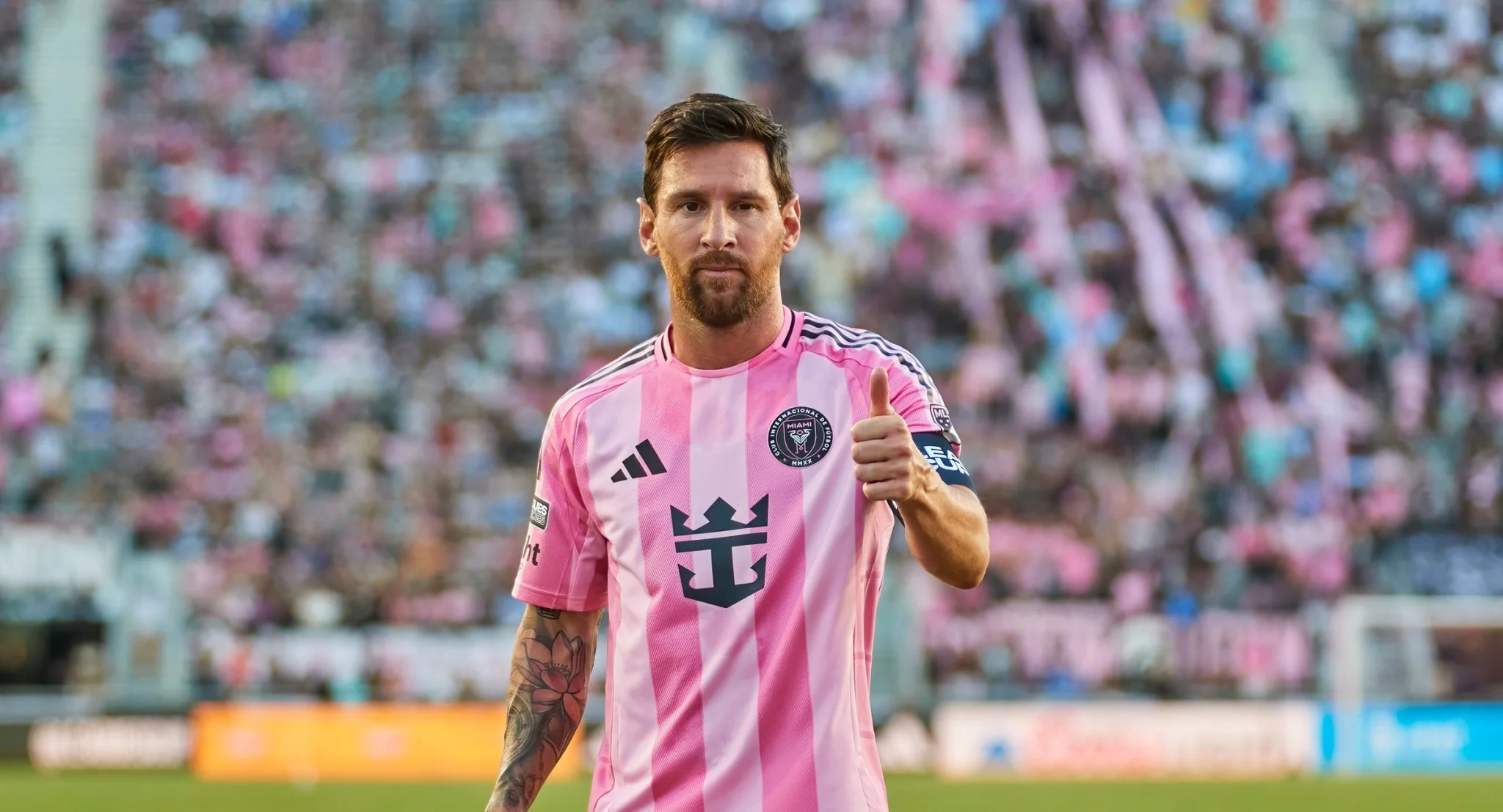
His outreach has included actress Gwyneth Paltrow. Porch arranged a dinner with Altman in September, though public reaction to reports of the meeting delayed it. Lionel Messi, meanwhile, appeared in a World Cup advertising campaign for OpenAI. Such efforts show that celebrity involvement isn't simply spontaneous enthusiasm: AI firms are investing in access to stars and their audiences.
The examples also show that celebrity outreach can take different forms. A private dinner is an attempt to create a relationship; an advertising campaign puts a public figure in front of an audience with a clear promotional role. Neither, by itself, establishes what the person thinks about the effects of AI on creative work. Here's the thing: visibility can be valuable to a company even when it doesn't settle the harder questions about the product.
That playbook has familiar risks. Famous people can be drawn toward questionable health advisers, fringe beliefs or brands that clash with their public image. Martin Scorsese’s endorsement of an AI storyboarding startup is one recent example of a prominent creative figure facing criticism for backing an AI company.
For a public figure, the risk isn't limited to whether a product succeeds. An endorsement can be read as a statement about the future of creative work, even if the person intended only to support a particular company or project. The criticism can then reach beyond the campaign and attach itself to the celebrity's judgment. A familiar name lends credibility, but it also makes the partnership easier to scrutinize.
Fewer roles, more pressure
The industry's appeal may be especially strong because work has grown scarce for performers outside the top tier. A media executive quoted anonymously by New York Magazine said, “Right now in Hollywood, only the top people are working,” pointing to Robert Pattinson’s frequent casting and Nicole Kidman’s steady presence on television. Actors just below that level, the executive said, aren't getting jobs.
The comment describes a sharp divide in access to work, though it doesn't quantify how many performers are affected or explain every cause. Its relevance here is the pressure it identifies: when opportunities cluster around a small group of familiar stars, people outside that group have more reason to consider income and visibility from other sources. A paid association with an AI firm can look attractive in that context, even to people who have reservations about the technology.
Technology has already reshaped the economics of entertainment, with streaming platforms such as Spotify drawing revenue away from artists. AI adds another source of uncertainty. It can produce an adequate substitute for some creative work, and the prospect of automation may lead studios and other employers to cut spending before the technology can replace people outright. Fewer commissions and roles leave more performers looking for income and visibility elsewhere.
“Adequate” is doing a lot of work in that argument. A system doesn't have to reproduce a person's work in every detail to affect hiring decisions; an employer might accept a cheaper or faster option for some tasks. At the same time, the article's concern is about pressure and uncertainty, not proof that AI has already replaced performers across the industry. That difference matters when judging both the technology's current reach and the incentives behind celebrity partnerships.
If you're working in this space, the practical question is whether these deals create durable opportunities for artists or mainly offer short-term visibility to a small number of famous people. The source doesn't establish what any particular partnership pays or how its benefits are distributed. And this is the part most people overlook: a celebrity campaign can make AI feel like a settled part of entertainment while the people whose work is most exposed still have little influence over how it's adopted.
What celebrity support signals
That creates an uneasy dynamic: AI companies arrive with vast sums to spend in an industry where opportunities are contracting. For a celebrity weighing the risks of association against a paid campaign or a seat at the table, that money can be difficult to ignore. The more creative jobs come under pressure, the easier it may become for AI firms to recruit the people whose work their products could eventually imitate.
This is more significant than it looks. Celebrity participation can help normalize a technology before the industry has worked through its effects on employment, creative control and the value of human performance. Yet a star's endorsement can't answer those questions; it can only signal that the company has persuaded someone with public influence to appear alongside it.
That said, the pressure cuts both ways. Companies gain attention and cultural legitimacy, while celebrities gain access and potentially paid work, but public criticism can make the association costly. The arrangement is therefore a measure of competing incentives, not a reliable guide to whether AI will benefit the people who make entertainment.
For now, the strongest conclusion is about the recruiting strategy itself: AI firms see celebrities as a route into audiences and an industry under strain. Performers facing fewer roles may see those firms as one more source of opportunity. A precarious bargain.
More on AI: China’s First Fully AI Theatrical Film Flayed Alive at the Box Office

Discussion
Sign in to join the discussion.