Rolls-Royce plans to deliver critical flight test engines for Bell Textron's future assault aircraft in the coming months, as development advances.
Current Developments in Engine Testing
Rolls-Royce is poised to deliver two flight test engines to Bell Textron for the U.S. Army's Future Long-Range Assault Aircraft (FLRAA) within the next few months, according to Scott Ames, the company's program lead. One of these engines is in its final stages of development, while the other is undergoing retrofitting. This will be a critical step forward for Bell's tiltrotor designs, elevating the importance of partnership between aerospace manufacturers and military contractors.
The context of these developments extends beyond mere technical specifications. The FLRAA program has been a cornerstone of the Army's modernization efforts, emphasizing agility and combat readiness in an increasingly complex battlefield environment. Given the ambitions for the FLRAA, securing reliable powerplants is fundamental.
Contract Significance and Financial Details
Back in 2019, Bell Textron selected Rolls-Royce to supply engines for its innovative tiltrotor aircraft design. This decision led to a substantial $1.3 billion contract awarded by the Army in 2022 for the MV-75 Cheyenne II. While Ames hasn't disclosed precise figures regarding Rolls-Royce's contract value or the total number of engines required, the collaboration represents a crucial alliance in military aerospace, shaping the future of Army aviation.
The financial implications of such contracts are often layered. Though the figures aren’t public, the investments indicate a long-term commitment from both companies to support the U.S. Army's competitive edge. In a market where defense spending is undergoing scrutiny, strategic partnerships can play a pivotal role in securing budgets and resources.
Reevaluation of Timelines and Delays
The Army had initially projected the first prototype flight for 2026 with fielding envisaged in 2030. However, updated reports now suggest delays—particularly around the prototype's inaugural flight. This situation has necessitated a "comprehensive schedule risk assessment" to recalibrate timelines and budgets. This isn’t just administrative; an adjusted timeline could impact overall readiness and operational planning, raising questions about contingency strategies and resource allocation.
While delays are common in complex aerospace projects, the stakes here are high. The FLRAA is intended to replace aging platforms, and any setback can potentially impact broader Army strategies. Industry observers will watch closely how Bell and Rolls-Royce manage this situation and whether they can mitigate further delays.
Significant Progress in Aircraft Development
In the last year, Bell Textron has made notable strides in the structural development of the test aircraft. Essential components like the nacelle, wings, and fuselage have been completed. This multi-faceted approach of coordinated engineering and production helps lay a solid foundation for future testing phases.
The integration of software at the Weapon Systems Integration Lab (WSIL) is an equally crucial focus. This integrative phase will continue into the next year, underscoring the complexity of bringing all systems together. Here’s the thing: the interplay of hardware and software can determine success or failure. Given the technological demands of modern warfare, it’s vital that these integrations exceed expectations to ensure operational readiness.
Engine Composition and Security Enhancements
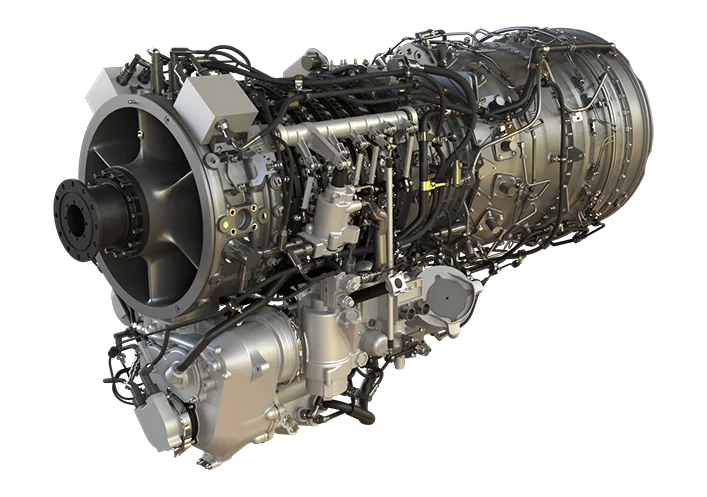
Ames articulated that the FLRAA will employ two Rolls-Royce AE1107 turboshaft engines. These engines utilize technology derived from the V-22 Osprey but include advancements in rotor integration along with a new Full Authority Digital Engine Control (FADEC) unit. This step reflects a trend in aerospace towards increased automation and enhanced cyber resilience, a response to rising concerns about system vulnerabilities.
The design of the FADEC, which operates independently of the engine, represents another layer in securing these systems. It isn’t just about performance; it’s also about safeguarding them from cyber threats. In an age where warfare extends beyond physical engagements, this approach to security is increasingly relevant.
Testing Phases Underway
Testing for the FADEC hardware and its accompanying software is currently taking place alongside the developmental AA1107 engines at Rolls-Royce's Indianapolis facility. The upcoming engine testing phase, set for next week, aims to gather essential performance data for further analysis by both Rolls-Royce and Bell Textron. This step is pivotal; understanding engine performance can lead to critical adjustments in design and function.
It’s a complex web of dependencies. If you're working in this space, you recognize that both companies must ensure that every component meets stringent operational requirements. The reliability of the FLRAA hinges on how effectively these tests translate into operational capability.
Future Testing and Infrared Suppressor Developments
Looking forward, Rolls-Royce has plans to conduct altitude testing on a developmental engine at a facility in West Lafayette, Indiana. Details on the timeline remain somewhat vague, which could raise concerns regarding transparency and delivery expectations. This engine testing will involve a “pass off test” aimed at validating that the design meets all operational specifications.
In addition, Rolls-Royce is progressing on an infrared suppressor meant to minimize the engine's heat signature. These suppressors are nearing completion for the prototype and address an important aspect of survivability in modern combat. Protecting the aircraft from heat-seeking threats is vital, and these measures can significantly affect mission success.
As Ames confirmed that construction on additional flight test engines is already underway with several units currently in assembly, it suggests that Rolls-Royce is preparing for a projected ramp-up in testing and validation phases. The focus now shifts to ensuring these engines meet or exceed performance metrics consistently and reliably.
Implications and Future Outlook
The successful delivery and testing of these engines have far-reaching implications. A well-executed FLRAA project can redefine operational strategies for the Army, bolstering capabilities while potentially reshaping how aviation assets are deployed in conflict zones. What this means for you, the stakeholder in defense contracting or policymakers, can’t be understated: it's about maintaining a technological edge.
The interplay of military needs, financial allocations, and technological advancements signals a critical juncture for both Rolls-Royce and Bell Textron. It’s essential to monitor how these developments evolve, as they could influence future defense acquisition strategies and set benchmarks for subsequent projects. The coming months will likely reveal much about the feasibility of meeting ambitious operational targets while navigating the complexities inherent in defense projects. Expect scrutiny and anticipation both from competitors and allied nations alike.



Discussion
Sign in to join the discussion.