Health First case managers play a vital role in guiding patients and families through the complexities of healthcare transitions, ensuring they access crucial resources.
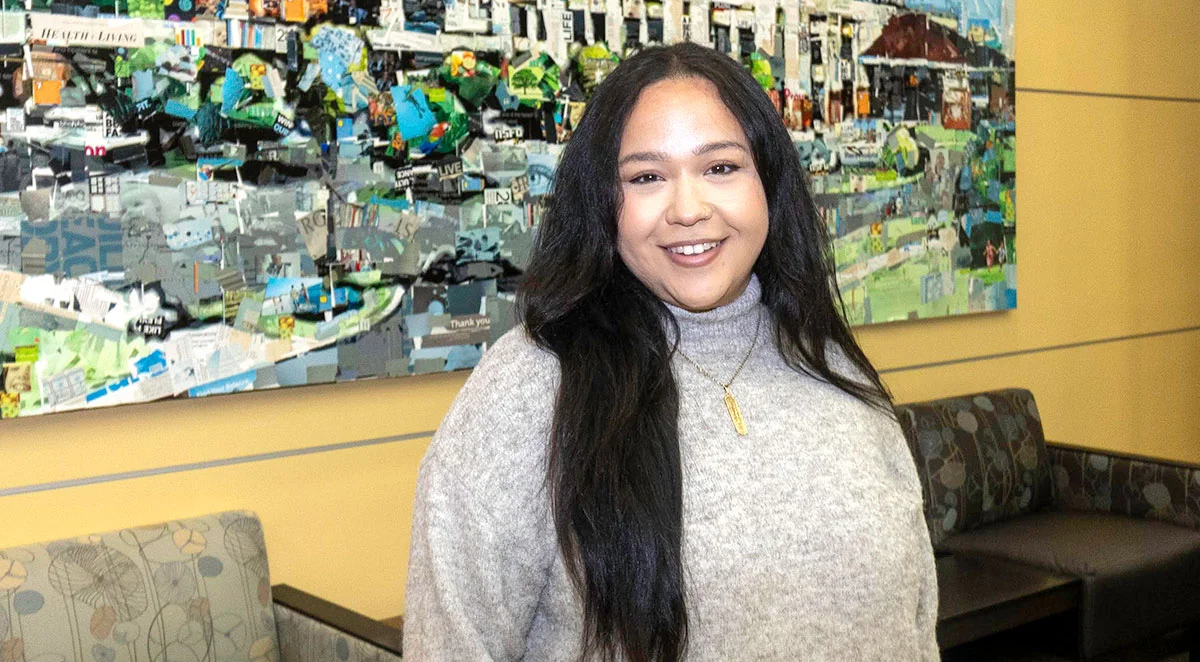
Stephanie Huezo, BSN, RN, CCM, a registered nurse case manager at Health First’s Viera Hospital, emphasizes one key piece of advice for families navigating unexpected hospitalizations: ask questions. “There are resources available that many people don’t realize exist,” she asserts.
Bridging the Gap in Patient Care
When the public thinks about hospital stays, they often envision doctors making diagnoses, nurses providing care, and therapists assisting recovery. However, a crucial yet often overlooked aspect involves case managers who work diligently to ensure that patients not only leave the hospital but also have the necessary support for recovery.
For Huezo, her role begins long before discharge, acting as a bridge between patients and the myriad of resources available to facilitate a smooth transition home. “People often think we’re deciding when they leave the hospital,” she explains. “In reality, we’re coordinating the safest possible transition and ensuring patients have the resources they need for post-hospital success.”
Addressing Growing Stressors
According to data from the 2025 Brevard County Community Health Needs Assessment, over 21.6% of respondents report experiencing high levels of daily stress, exacerbated by factors like financial burdens, caregiving demands, and transportation challenges. For families already facing the stress of hospitalization, these additional pressures can feel overwhelming.
This is where Health First’s case management team steps in. “We’re really the bridge between the patient, their family, and the physicians,” Huezo notes, emphasizing the need for clear communication and coordinated care among all parties involved in a patient’s recovery.
Beyond Discharge Paperwork
Case managers do far more than process discharge paperwork; they actively connect families with community resources, arrange rehabilitation and skilled nursing placements, and guide home healthcare options. They also assist in the initiation of Medicaid screenings for uninsured patients and help find transportation services for medical appointments. Huezo highlights that many patients are unaware that important services, like transportation through Medicaid benefits, are available to them.
“A lot of people don’t realize we can help connect them with community services,” she explains. “Connecting them to those resources can make a tremendous difference.”
Support for Complex Decisions
For families facing difficult circumstances, such as navigating a loved one’s dementia diagnosis, emotional challenges often intensify the situation. While families typically desire to manage care at home, they sometimes need to consider rehabilitation or specialized memory care, even if temporarily. “I understand that,” Huezo acknowledges. “Families want to do everything they can. But sometimes, the safest option is to seek specialized care.”
Health First’s case managers actively encourage families to engage deeply in the decision-making process, urging them to tour facilities and ask pertinent questions. “We want them to feel comfortable with the transition,” she emphasizes, noting the importance of setting realistic expectations while ensuring patients receive appropriate care.
Navigating Difficult Conversations
One of the most challenging yet rewarding aspects of Huezo’s role involves supporting families in conversations regarding palliative care, hospice, and end-of-life choices. “Those conversations are never easy,” she admits. “Our goal is to ensure everyone understands the patient’s wishes and the services available to honor their care goals.”
Even small interventions can yield significant impacts. Huezo recalls assisting a visually impaired patient who was unaware that transportation to medical appointments was already included in her Medicaid benefits. Access to reliable transportation is crucial; without it, follow-up care could become a challenge, raising the likelihood of hospital readmissions.
Fostering Effective Communication
The challenge of transportation remains a significant barrier for many residents in Brevard County, as highlighted by the assessment indicating that 14% of residents reported transportation hindering a medical visit last year. “Patients simply don’t know what’s available to them,” Huezo points out. “If we can remove one barrier, we’re improving their chances of staying healthy.”
Huezo stresses that effective patient care hinges on collaboration among all healthcare team members. “It’s not just case management. It’s physicians, nurses, therapists, technicians, patients, and families—all working together. When we communicate effectively, patients undergo a much smoother transition.”
Empowering Patients Post-Discharge
By connecting patients with primary care providers and community organizations before discharge, Health First’s case managers significantly reduce unnecessary hospital readmissions, empowering patients to continue their recovery in familiar environments.
For families dealing with unexpected hospitalizations, Huezo’s advice remains clear: ask questions. “Don’t be afraid to share your worries—whether it's about transportation, insurance, or finding additional support,” she encourages. “We’re here to assist.”
While healthcare often focuses primarily on treating illnesses, case managers prioritize navigating what comes next for patients. Their work may lack headlines, but it profoundly affects countless lives each year, reassuring families during uncertain times and linking them with essential resources to ensure that patients don’t face their recoveries alone.



Discussion
Sign in to join the discussion.